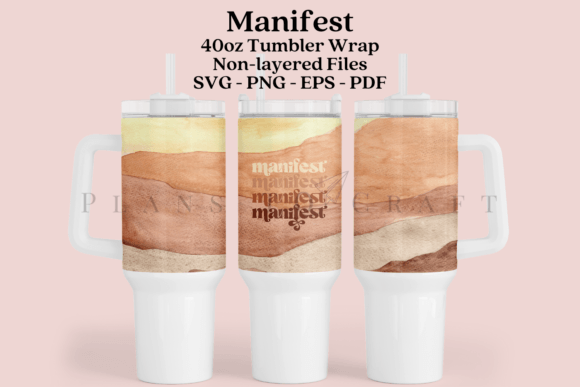
Manifest 40oz Tumbler Sublimation Wrap
A Designer’s First Glance: Clean, Confident, and Purpose-Built
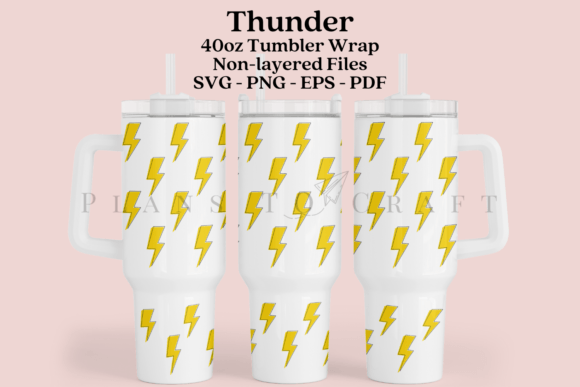
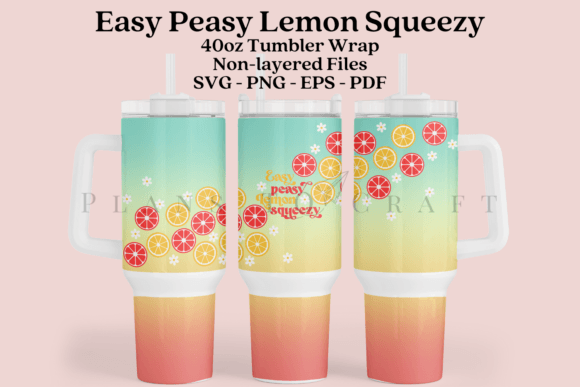
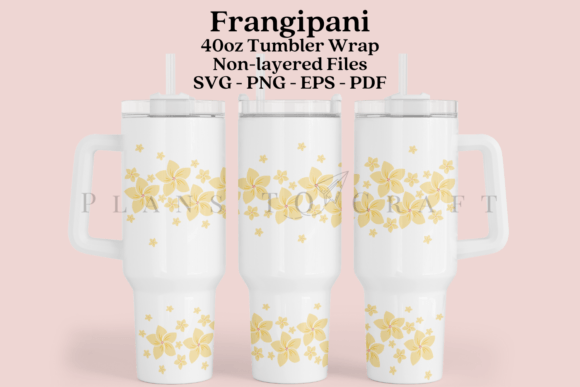
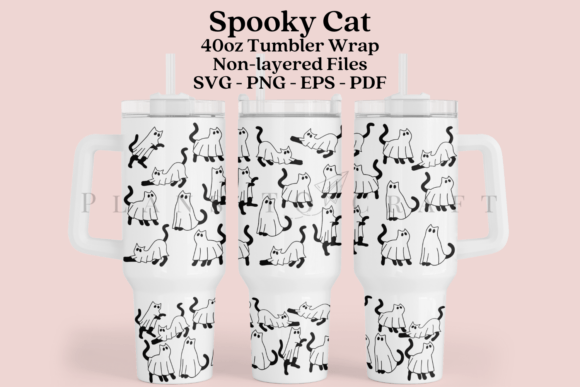
Opening the Manifest 40oz Tumbler Sublimation Wrap files felt like unboxing a well-organized design toolkit—not flashy, but immediately functional. As someone who evaluates hundreds of embroidery files each year for client work, Etsy shops, and small-batch product lines, I looked first at proportion, rhythm, and adaptability. This isn’t a whimsical script or ornate monogram—it’s a streamlined, modern wrap built for clarity and impact on a curved surface. The layout assumes the 40oz tumbler’s tall, narrow silhouette, with balanced negative space and intentional breathing room around key elements. It reads as confident, not crowded; intentional, not generic. That matters—especially when you’re stitching it onto a tote bag meant for a boutique launch or embroidering it onto a custom sweatshirt for a local coffee shop collab.
Where It Shines (and Where It Doesn’t)
I tested Manifest 40oz Tumbler Sublimation Wrap across three real projects: a linen tea towel for a holiday craft fair, a cotton-blend baby onesie for a personalized gift line, and a midweight canvas apron for a small café’s staff branding. On the tea towel? Crisp, legible, and elevated—no bleed, no distortion. On the onesie? Slightly trickier. The design’s clean lines held up well, but I swapped to a lighter fill stitch density and added tear-away stabilizer underneath to avoid stiffness near delicate seams. On the apron? Perfect—its scale and spacing translated beautifully to textured fabric without losing definition.
This design thrives in contexts where professionalism meets approachability: embroidered patches for small business swag, custom apparel for team events, pillow covers for nursery decor, or even as a focal point on a structured tote bag. Its visual personality leans modern-minimalist—so it pairs naturally with neutral palettes, clean typography, and curated handmade products. But—and this is important—it’s not ideal for ultra-dense applique designs, intricate satin-stitch borders, or tiny lettering that demands microscopic precision. If you’re planning to shrink it dramatically for a cap or stretch it across a curved hat bill, test first. The file set includes vector and raster formats, which helps with scaling—but embroidery isn’t just about resolution. Stitch behavior changes with curvature, tension, and fabric drape.
Real-World Considerations for Embroidery Designers
Before stitching Manifest 40oz Tumbler Sublimation Wrap into your next finished product, here’s what I’d do—based on years of trial, error, and client feedback:
- Always test on scrap fabric first—especially if using textured, stretchy, or dark fabrics. What looks sharp on screen may soften or blur under thread.
- Check thread color contrast carefully. This design relies on shape and spacing more than fine detail, so high-contrast pairings (navy thread on cream, charcoal on oat) maximize clarity and perceived value.
- Review stitch density in your embroidery software. Dense fill areas can overwhelm lightweight fabrics or create stiffness in baby items—adjust if needed for comfort and durability.
- Confirm hoop size compatibility. While presized for a tumbler, its dimensions may require a larger hoop (e.g., 5x7" or bigger) depending on your machine and fabric setup.
- Inspect small details in both black-and-white and color mockups. Some subtle gradients or thin strokes may vanish on dark backgrounds or get lost in dense stitching.
- Use proper stabilizer for your base fabric—cutaway for knits, tear-away for stable wovens, and fusible for lightweight linens.
- Verify licensing before selling finished items. Since this is a digital embroidery file sold as a Graphics asset, confirm whether commercial use is permitted for your craft business or Etsy shop.
Fabric & Finish: How It Impacts Perception
Customers don’t buy stitches—they buy confidence, care, and cohesion. When Manifest 40oz Tumbler Sublimation Wrap lands cleanly on a premium sweatshirt, it signals attention to detail. When it’s slightly pixelated on a low-thread-count kitchen towel? It undermines the handmade product’s perceived value—even if the rest of the item is flawless. I’ve seen buyers leave reviews like “loved the idea, but the embroidery looked rushed,” when really, the issue was mismatched fabric + stitch density. This design works best on medium-to-heavyweight fabrics with smooth surfaces: canvas, twill, piqué, and stable cotton blends. Avoid thin, loosely woven, or highly stretchy materials unless you’re willing to adjust stabilizer, tension, and digitizing settings manually.
For Craft Business Owners & Etsy Sellers
If you’re listing Manifest 40oz Tumbler Sublimation Wrap–inspired items on Etsy or at a local market, think beyond the file itself. Pair it with strong printable mockups—show it on real mugs, totes, and apparel. Use consistent lighting and natural backdrops to reinforce brand trust. And remember: customers scrolling through hundreds of listings respond to authenticity, not perfection. A hand-finished edge on an embroidered patch, a thoughtful note tucked into a holiday gift box, or a behind-the-scenes photo of your hoop setup adds layers of connection that no stock graphic can replicate. This design gives you a solid foundation—but your craftsmanship, storytelling, and consistency turn it into something memorable.
Final Thought: A Tool, Not a Guarantee
Manifest 40oz Tumbler Sublimation Wrap is a well-executed, purpose-driven design asset—not magic. It won’t fix poor hooping, weak stabilizer choices, or mismatched thread selection. But in the hands of a thoughtful designer or craft business owner who understands how embroidery behaves in the real world? It becomes a quiet differentiator. It elevates a simple tote bag into a boutique staple. It adds polish to a custom sweatshirt order. It makes a personalized gift feel intentional, not improvised. That’s the mark of good design: it serves the project, supports the maker, and respects the end user—all without shouting for attention.