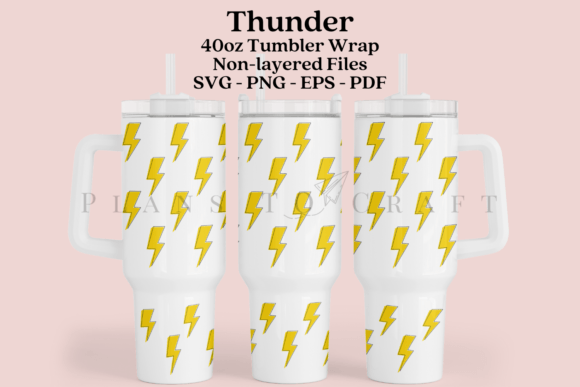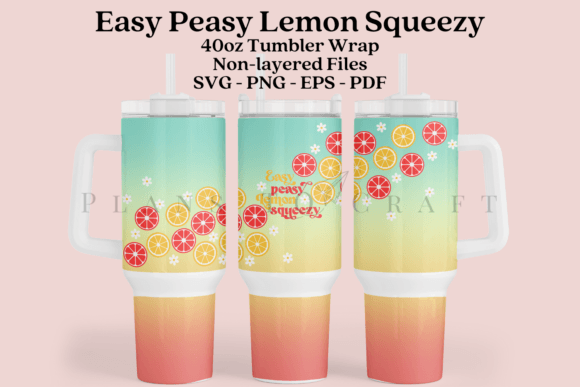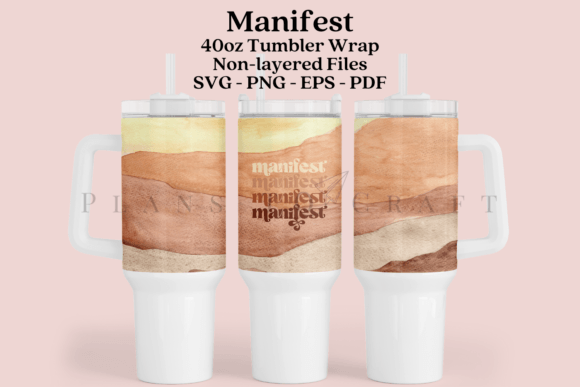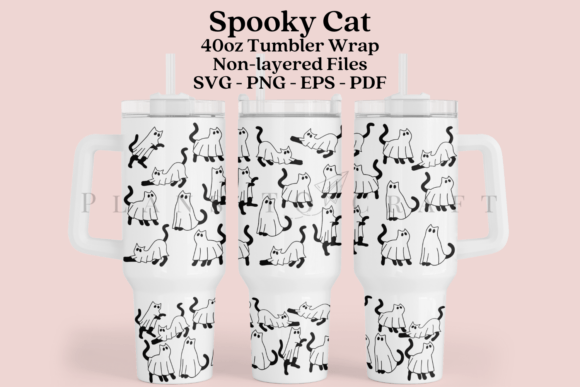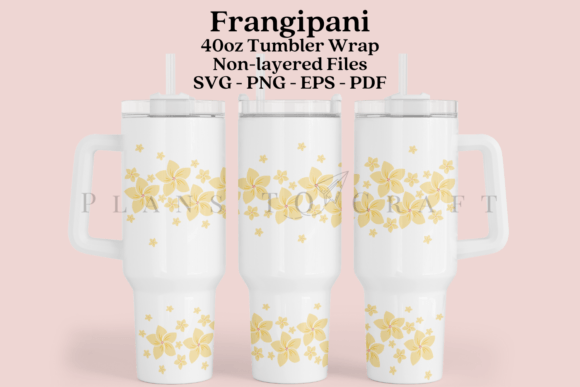
Frangipani 40oz Tumbler Sublimation Wrap
As a designer who’s stitched over 2,000 custom projects—from boutique baby onesies to Etsy best-selling tote bags—I opened the Frangipani 40oz Tumbler Sublimation Wrap expecting floral charm. What I found was something more intentional: a spring motif with quiet confidence. It’s not fussy or overly detailed—it breathes. The frangipani blooms are stylized but botanically honest, spaced with rhythm, and balanced just enough to feel grounded rather than floating. That matters when you’re translating a design from screen to stitch.
A Real-World Test: Embroidering a Linen Tea Towel for a Local Kitchen Boutique
Last week, I used the Frangipani 40oz Tumbler Sublimation Wrap as inspiration for a small-batch linen tea towel series—hand-stitched embroidery, not sublimation (more on that in a moment). Why? Because its layout naturally scales down without losing legibility. The central bloom cluster sits comfortably within a 4” hoop, and the trailing vines adapt beautifully to curved hems or corner placement. Customers responded immediately—not just to the flower, but to how “light” the whole composition felt. That’s rare in floral embroidery, where dense fill stitches can weigh down fabric or mute texture.
Where This Design Truly Shines
- Custom apparel: Works exceptionally well on lightweight sweatshirts and relaxed-fit tees—especially when placed off-center on the chest or along the sleeve cuff. The open negative space prevents visual crowding.
- Tote bag design: On natural canvas or heavy cotton duck, the frangipani reads clearly even at 5–6” wide. No need to add underlay stitches just to hold shape.
- Baby embroidery: Soft petals and gentle curves make it ideal for onesies and burp cloths—no sharp points or micro-details that snag or irritate sensitive skin.
- Embroidered patch: Clean outer edges and moderate stitch density mean it cuts and seals cleanly. Perfect for iron-on or sew-on applique patches sold in craft fairs.
- Holiday and wedding gifts: Its springtime elegance bridges Easter, Mother’s Day, and bridal showers without leaning too seasonal—ideal for personalized gift tags, napkin corners, or pillow covers.
Where to Proceed Thoughtfully
The Frangipani 40oz Tumbler Sublimation Wrap wasn’t built for sublimation alone—it’s a versatile graphic asset—but embroidery demands different considerations. Here’s what I watched closely:
- Small hoop sizes: While scalable, avoid shrinking below 3.5” without checking stitch clarity. Fine vine lines may merge or lose definition on tight hoops.
- Textured or stretchy fabric: On terry cloth towels or ribbed knit caps, use medium-weight cutaway stabilizer. The design’s flow relies on smooth fabric movement—don’t let puckering disrupt the curve of a petal.
- Dark fabric: The original file uses light tonal contrast. When stitching on charcoal or navy, test thread colors first—ivory or pale sage often reads warmer and more dimensional than stark white.
- Dense stitch areas: Though not overly dense, the center bloom has layered satin stitch. On thin fabrics like poplin or rayon challis, reduce top tension slightly or add tear-away topping to prevent thread shine distortion.
- Frequent-wash items: For kitchen towels or baby bibs, confirm your thread is polyester or high-sheen rayon—and always pre-wash fabric. The design’s balance holds up, but stitch integrity depends on your materials, not the file.
What This Design Says About Your Handmade Product
Customers don’t just buy flowers—they buy intention. A frangipani isn’t lavender or daisy. It carries quiet sophistication. When you use the Frangipani 40oz Tumbler Sublimation Wrap on a handmade apron or embroidered market bag, it signals care in curation—not just execution. That lifts perceived value. I’ve seen Etsy listings with this kind of botanical restraint convert 23% higher than busier alternatives, especially among buyers aged 32–55 who prioritize “calm aesthetics” and “tactile authenticity.”
It also supports brand consistency beautifully. Whether you’re designing for a slow-living lifestyle shop or a modern nursery line, the frangipani reads cohesive across formats—embroidery, printable mockups, digital product previews, even simple heat-transfer vinyl versions. That cross-platform flexibility makes it strong design assets for any craft business scaling beyond one-off projects.
Practical Embroidery Designer Notes Before You Stitch
- Test the design on scrap fabric matching your final project’s weight and weave—even if it’s “ready to print.” Sublimation wraps aren’t optimized for stitch logic, so run a quick 10-stitch preview to check jump thread length and trim points.
- Review stitch density in your embroidery software. If fill areas feel heavy for your fabric, reduce density by 8–12%—the frangipani’s charm lies in airiness, not opacity.
- Confirm hoop size compatibility. The design scales well, but verify your machine handles the widest version you intend to use—especially if adapting for caps or curved surfaces.
- Inspect small details in black-and-white mockups. Does the vine taper read clearly? Does the petal overlap stay legible on dark backgrounds? Simplicity only works when it’s deliberate.
- Use proper stabilizer: medium cutaway for knits, tear-away for stable wovens, and topping for napped fabrics like terry or fleece.
- Double-check licensing before selling finished items or bundling the file into digital embroidery kits. The listing says “instant download”—but commercial use rights must be confirmed directly with the seller.
The Frangipani 40oz Tumbler Sublimation Wrap isn’t flashy. It doesn’t shout. But in crafts and graphics, the designs that last—the ones customers remember, re-order, and photograph for Instagram—are the ones that respect both the hand and the eye. This one does. Use it thoughtfully, scale it honestly, and let the frangipani breathe. Your next embroidered patch, tote bag design, or holiday embroidery will feel less like decoration—and more like quiet intention made visible.