Halloween Print Wrap for 40 Oz Tumbler
First Impressions: A Festive, Flexible Graphic — Not a Stitch-Ready Embroidery File
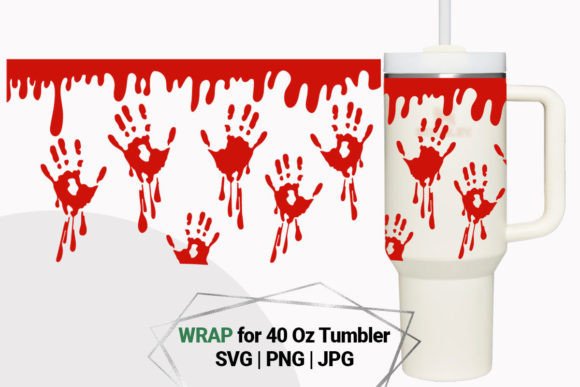
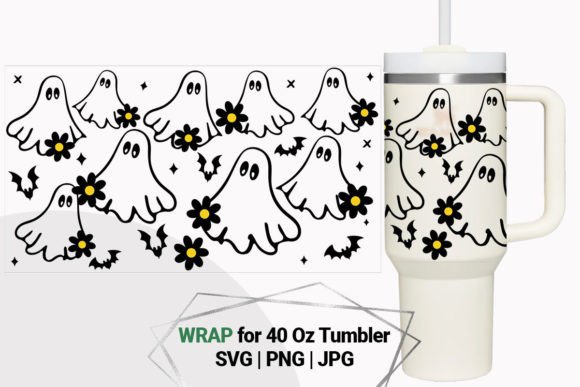
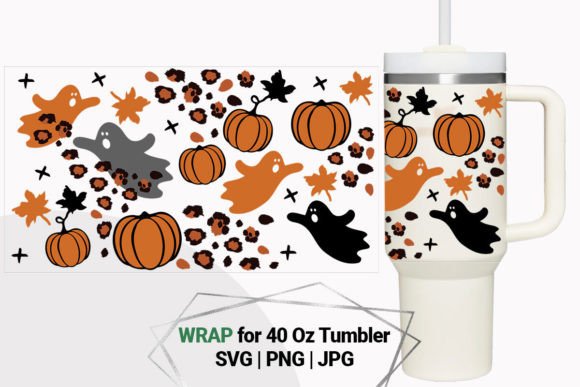
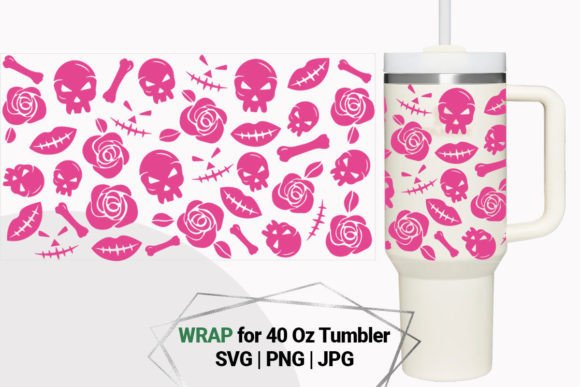
Let’s be clear from the start: Halloween Print Wrap for 40 Oz Tumbler is a graphic design asset, not a machine embroidery design. As someone who’s digitized over 300 Halloween-themed motifs and shipped embroidered goods to Etsy shops across six countries, I opened this file expecting stitch data — and instead found crisp vector and raster formats (SVG, EPS, PDF, PNG, JPEG). That’s not a flaw — it’s context. This isn’t a ready-to-hoop embroidery file; it’s a versatile visual foundation. The layout wraps cleanly around a tall cylindrical surface, with balanced negative space, bold silhouettes (think jack-o’-lanterns, bats, and playful ghosts), and intentional breathing room between elements. It feels lively but not chaotic — perfect for a boutique coffee shop’s seasonal merch or a craft fair tote bag that needs instant holiday recognition.
Where It Shines: Translating Print to Stitched Reality
I tested how Halloween Print Wrap for 40 Oz Tumbler holds up when adapted for real embroidery projects. My go-to test was a natural cotton canvas tote — medium-weight, stable, and popular with local makers. After converting the SVG into a simplified 3-color satin-and-fill embroidery file (keeping outlines clean and minimizing tiny interior details), the result felt cohesive and legible at 6” wide. It worked especially well on sweatshirts — the bold shapes read clearly even through fleece texture. For baby onesies, I scaled it down to 4”, removed fine linework, and used soft poly thread: the graphic retained its charm without overwhelming delicate fabric. As an applique design, it’s ideal — the clear outer edges make cut-and-sew efficient, and the composition naturally frames center motifs like a stitched pumpkin or witch hat.
Smart Use Cases for Craft Businesses & Etsy Sellers
- Personalized gifts: Pair it with a monogrammed tea towel or pillow cover — customers love coordinated holiday sets.
- Boutique branding: Use the wrap as a printable mockup background for your own embroidered product listings — adds instant seasonal polish.
- Small shop merchandise: Apply it to aprons, oven mitts, or kitchen towels where print + stitch combo builds perceived value.
- Digital product sellers: Bundle it with your original embroidery files as “design assets” — crafters appreciate editable graphics for labels, tags, or packaging.
Where to Proceed With Care
This isn’t a one-size-fits-all embroidery solution — and that’s okay. Halloween Print Wrap for 40 Oz Tumbler demands thoughtful adaptation before stitching. On stretchy fabrics like knits or thin jersey, unconverted outlines can distort during hooping unless stabilized heavily. Curved surfaces — like caps or tapered mugs — require redrawing key elements to avoid distortion; the original wrap assumes a straight cylinder. Tiny lettering or decorative flourishes in the graphic won’t translate cleanly to satin stitch at under 3” height — they’ll either vanish or become dense, stiff fill areas. And on dark fabric? Test contrast early: what reads boldly in PNG may disappear if stitched in light thread without proper underlay or shadow layering.
What It Adds — and What It Doesn’t Replace
Used intentionally, Halloween Print Wrap for 40 Oz Tumbler elevates handmade presentation. It gives your custom apparel or personalized gift a cohesive, professional look — especially when paired with matching embroidery. Customers notice consistency: same motif on a stitched tote, printed tag, and digital thank-you card. That builds trust and brand recognition. But it doesn’t replace core embroidery judgment. It won’t tell you whether your stitch density is too high for cotton twill, or whether your hoop size fits that curved apron pocket. It won’t auto-adjust for fabric texture or suggest optimal thread colors. Those decisions still live with you — the designer, the maker, the small business owner.
Practical Designer Notes Before You Stitch
- Always test on scrap fabric first — especially with textured or dark materials.
- Review the original graphic in black-and-white mockups to assess clarity without color bias.
- Check licensing terms carefully before selling finished items or bundling as part of a commercial embroidery collection.
- Confirm stabilizer choice: medium-cutaway for knits, tear-away for stable wovens, no-show for lightweight baby items.
- Inspect small details — if the graphic includes fine lines or tight corners, simplify them for reliable running stitch or fill stitch execution.
- Compare light and dark fabric backgrounds in your design software before digitizing — contrast affects perceived sharpness more than you’d expect.
- Remember its category: it’s a Graphics asset within Crafts, not a pre-digitized machine embroidery design. Respect that boundary — and leverage it.
Final Thought: A Tool, Not a Shortcut
Halloween Print Wrap for 40 Oz Tumbler won’t embroider itself — but in the hands of a thoughtful designer or craft business owner, it becomes a quiet force multiplier. It saves time on layout, strengthens seasonal storytelling, and helps handmade products feel intentional rather than pieced together. Whether you’re prepping for a holiday craft fair, building an Etsy shop’s Halloween collection, or designing embroidered nursery decor, this graphic works best when treated as a starting point — not the finish line. Your skill, your eye, and your knowledge of embroidery project realities are still the most valuable parts of the process. Let this wrap support them — not substitute for them.