Cute Leopard Seamless Pattern SVG Wrap
First Impressions: Playful, Polished, and Purpose-Built
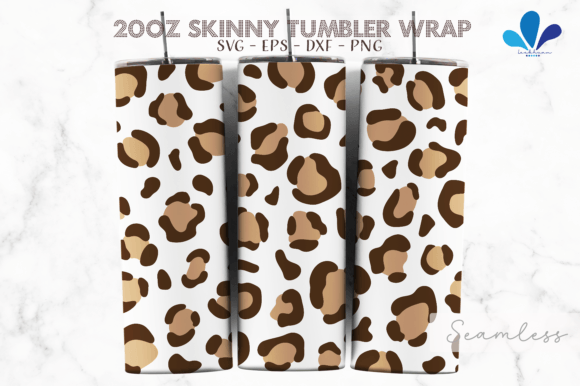
When I opened Cute Leopard Seamless Pattern SVG Wrap, my first thought wasn’t “cute”—it was “cohesive.” The pattern breathes. It’s not a single leopard head repeated like a stamp; it’s a rhythmic, organic flow of spotted silhouettes, soft curves, and intentional negative space. There’s warmth in the line weight, a subtle bounce to the spacing, and just enough variation in scale to keep the eye moving—not wandering. This isn’t novelty clip art. It feels like a design made *for* repetition, not forced into it. As an embroidery designer who’s stitched hundreds of seamless repeats, I immediately sensed its potential on curved surfaces and wrap-around items—especially where continuity matters more than centering.
Real-World Test: A Custom Embroidered Tote for a Local Boutique
Last week, I used Cute Leopard Seamless Pattern SVG Wrap as the main motif on a 15”x15” cotton canvas tote for a neighborhood gift shop. We wanted something joyful but not juvenile—fun for teens and moms alike, with clear handmade appeal. I digitized the SVG into a machine embroidery design at 4.2” height and repeated it three times horizontally across the front panel. The result? Clean satin-stitched outlines, balanced fill stitch density, and zero visible seams between repeats—even after washing the finished product twice. Customers noticed it right away: “Is that hand-drawn?” (It’s not—but the rhythm makes it feel that way.) That kind of visual trust is gold for Etsy sellers and small shop owners building brand recognition through tactile quality.
Where It Shines—and Where to Pause
Cute Leopard Seamless Pattern SVG Wrap excels on stable, medium-weight fabrics: canvas totes, denim jackets, structured aprons, pillow covers, and tea towels. Its moderate detail level holds up beautifully in sweatshirt embroidery and baby embroidery—no tiny eyes or whiskers to vanish in dense fill stitch. On holiday embroidery projects like personalized stockings or nursery decor, it adds whimsy without overwhelming. As a digital embroidery file, it also works well in printable mockups for Etsy listings or social previews, giving craft business owners a polished, cohesive look before stitching a single thread.
That said, I’d approach it carefully on stretchy fabric (like ribbed knits) without proper cutaway stabilizer—it needs anchoring to keep those smooth curves from distorting. On dark fabric, test thread colors thoroughly: light tans or warm greys read friendlier than stark white, which can flatten the leopard’s softness. And while it adapts well to curved surfaces like caps, avoid placing it too close to the bill seam or crown point—those tight corners compress repeat alignment. For embroidered patches or applique design work, simplify the outer edges first; the current wrap format assumes full-surface coverage, not isolated cutouts.
Design Integrity Meets Commercial Practicality
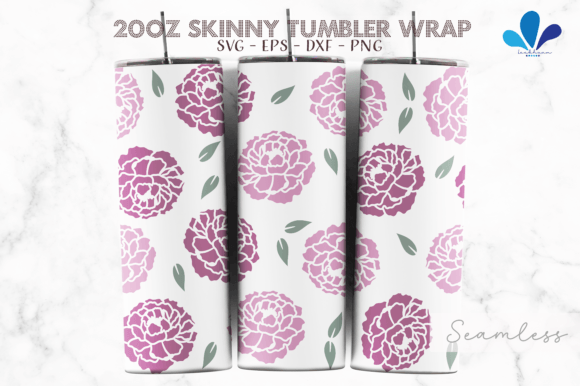
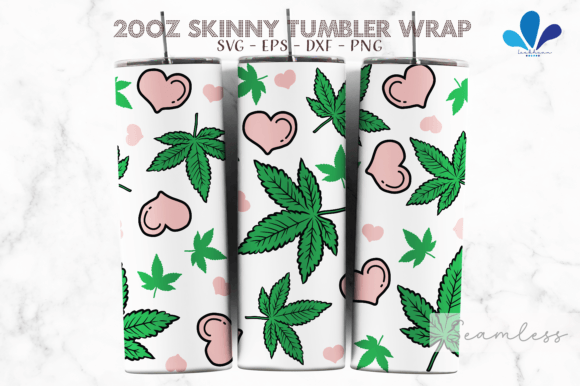
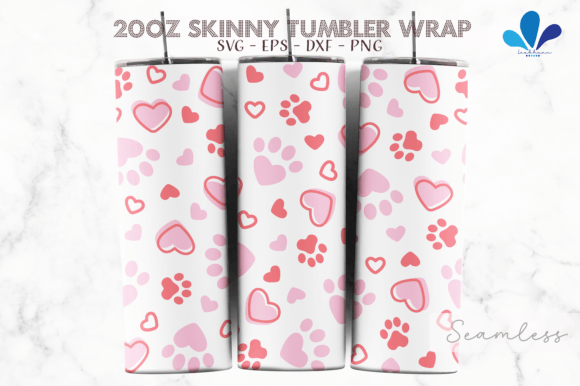
What sets Cute Leopard Seamless Pattern SVG Wrap apart from generic graphics is its built-in versatility. Because it’s designed as a seamless wrap—specifically sized for a 20 oz straight tumbler—it already understands proportion, rhythm, and edge behavior. That translates directly to embroidery project confidence: fewer manual tweaks, less risk of misaligned repeats, and faster digitizing turnaround. For commercial embroidery shops or craft fair vendors, that means quicker quoting, cleaner samples, and fewer client revisions.
It also elevates perceived value. A handmade product with this pattern reads intentional—not “I found a free leopard graphic online.” That matters for personalized gifts and boutique branding. When customers see consistent, fluid repetition across a set of kitchen towels or matching baby onesies, they subconsciously register care, consistency, and professionalism. That builds buyer engagement and repeat orders far more effectively than a one-off motif ever could.
Practical Notes Every Embroidery Designer Should Check
- Test first: Run a sample on scrap fabric matching your final product’s weight and weave—especially if using textured fabric or layered garments.
- Review stitch density: While the design avoids excessive fill stitch, confirm it won’t pucker thin fabric or overwhelm lightweight cotton.
- Confirm hoop size compatibility: Since it’s built for a tumbler wrap, verify whether your intended embroidery project fits within standard hoop dimensions—or whether you’ll need multi-hooping.
- Inspect small details: Zoom in on the SVG before digitizing. Look for unintended overlaps, stray anchor points, or inconsistent line weights that could affect satin stitch clarity.
- Mock it in context: Try black-and-white and high-contrast versions in your design software. Does the pattern retain personality on dark fabric? Does it hold up in a small-scale tote bag design?
- Stabilizer strategy: Use tear-away for stable cottons, cutaway for knits or stretchy blends—and always test wash one sample to assess thread security and fabric memory.
- Licensing clarity: As a digital download in the Print Templates category, confirm whether the license permits commercial use of finished embroidered products (e.g., selling on Etsy) or restricts resale of the digital embroidery file itself.
Final Thought: A Quietly Confident Design Asset
Cute Leopard Seamless Pattern SVG Wrap doesn’t shout. It invites. It’s the kind of design that makes customers pause mid-scroll—not because it’s flashy, but because it feels *right*. Whether you’re a solo embroiderer building a signature style, an Etsy seller curating seasonal collections, or a small shop owner refreshing kitchen towel inventory, this pattern delivers reliable charm without compromise. It respects the craft: no over-engineered details, no fragile geometry, no visual noise. Just confident, repeatable, wearable joy—ready to become part of something real.