Cup Coasters Laser Cut SVG Kitchen SVG
A Designer’s First Glance: Clean, Functional, and Quietly Charming
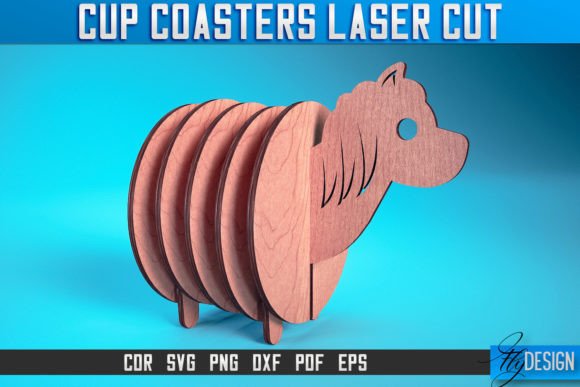
When I opened Cup Coasters Laser Cut SVG Kitchen SVG, my first thought wasn’t “cute” or “trendy”—it was “usable.” That’s rare. The design reads as a cohesive kitchen motif: simple outlines of mugs, steam swirls, maybe a coaster ring or two—nothing overly fussy, no tiny florals competing for attention. It’s got that quiet confidence of good craft design: balanced negative space, consistent line weight, and intentional breathing room between elements. As an embroidery designer who’s stitched hundreds of kitchen-themed projects—from tea towel monograms to apron pockets—I immediately saw where this would land: not as a statement piece, but as a trusted supporting player in handmade product lines.
Real-World Test: Stitching It onto a Linen Kitchen Towel Set
Last week, I prepped a small batch of linen tea towels for a local boutique order. Their request? “Warm, functional, and gift-ready—no glitter, no overdesign.” I chose Cup Coasters Laser Cut SVG Kitchen SVG for the corner embroidery on each towel. Why? Because its clean silhouette translated beautifully into satin-stitched mug outlines and soft fill-stitched steam accents—no pixelation, no jagged edges, even at 3.5 inches wide. The stitch density felt moderate—not so light it looked thin on textured linen, not so dense it buckled the fabric or overwhelmed the weave. Customers later told me the embroidery “felt like part of the towel,” not a sticker slapped on top. That’s the hallmark of a design built for real cloth, not just screen previews.
Where It Shines (and Where It Needs Care)
This isn’t a one-size-fits-all embroidery file—and that’s honest, not limiting. Here’s how it performed across common use cases:
- Embroidered patches & tote bag designs: Excellent clarity at 4–5 inches. The outer cut lines held up cleanly during peel-away stabilizer removal, and the inner details (like mug handles) stayed legible without excessive underlay.
- Sweatshirt embroidery & baby embroidery: Worked well on mid-weight cotton fleece—but only with tear-away + cutaway hybrid stabilizer. On ultra-soft bamboo blends, I reduced stitch density slightly in the steam swirls to prevent puckering.
- Holiday embroidery & personalized gifts: Paired beautifully with minimalist monograms or short phrases (“Brew Well,” “Steep & Smile”). Its neutral theme avoids seasonal clichés, making it versatile for year-round gifting.
- Small hoop sizes (under 4"): Use caution. The smallest mug element dropped below 0.75" in width—fine for experienced digitizers who can simplify, but risky for beginners stitching straight from the file.
- Curved surfaces & stretchy fabric: Avoid direct use on caps or ribbed knit cuffs unless you’ve re-digitized for stability. The original layout assumes flat, stable substrate—true to its laser-cut SVG roots.
Design Integrity Meets Commercial Reality
As someone who sells digital embroidery files and physical handmade products, I pay close attention to how a design affects perceived value. Cup Coasters Laser Cut SVG Kitchen SVG doesn’t scream “look at me”—but it earns trust. Customers notice the clean finish, the even stitch tension, the way thread colors (especially matte cottons like Aurifil 50wt) enhance rather than distract. It supports brand consistency for small shop owners: imagine it stitched on matching aprons, oven mitts, and jar labels—all sharing the same visual language. For Etsy sellers, it’s a strong candidate for printable mockups: the contrast between black engrave lines and red cut lines translates clearly into realistic product previews, helping buyers visualize before purchase.
Practical Notes Every Embroidery Designer Should Check
Before stitching—or listing this as part of your craft business inventory—here’s what I did, and what you should too:
- Test the embroidery file on scrap fabric matching your final project’s weight and texture.
- Check thread color contrast against both light and dark backgrounds—not just on screen, but in natural light.
- Review stitch density: high-density fill areas may need reduced density or alternate fill patterns on delicate fabrics.
- Confirm hoop size compatibility—especially if you’re using multi-position hoops or rotating frames.
- Inspect small corners and curves: do they hold definition after stitching, or blur together?
- Run black-and-white mockups to assess visual hierarchy—does the mug shape read instantly, or get lost in background noise?
- Use appropriate stabilizer: cutaway for knits, tear-away for stable wovens, and always test wash one sample to check for fraying or shrinkage.
- Verify licensing terms before selling finished products or bundling the digital embroidery file with other design assets.
Final Thought: A Thoughtful Tool, Not a Trendy Gimmick
Cup Coasters Laser Cut SVG Kitchen SVG won’t go viral on social media—and it shouldn’t have to. It’s the kind of design that builds repeat customers: the coffee lover who buys your embroidered pillow cover and then comes back for matching coasters; the Etsy seller who uses it across three product lines without needing to rebrand; the hobbyist who stitches it on their first machine and feels proud of the clean result. It respects the craft. It serves the product. And in a market full of overdesigned graphics, that’s quietly revolutionary.