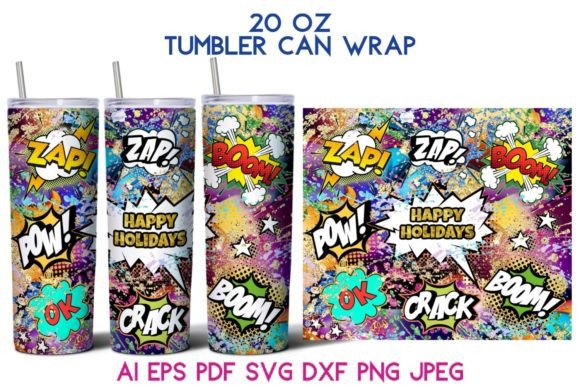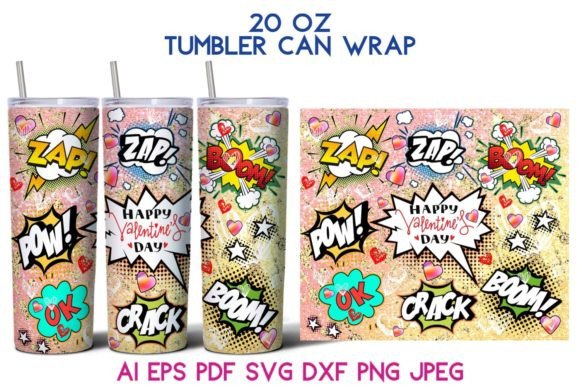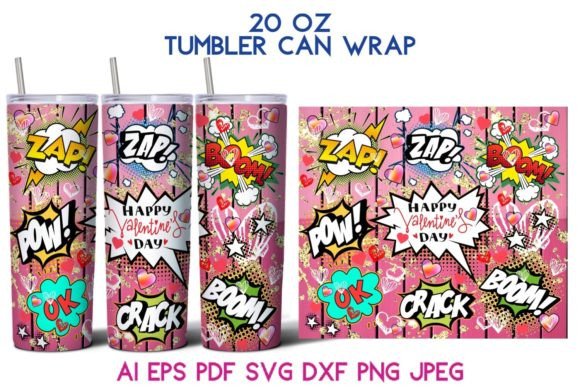
20 Oz Tumbler Happy Valentine’s Day SVG
A Designer’s First Glance: Charm with Clear Intent
When I opened the 20 Oz Tumbler Happy Valentine’s Day SVG, my eye went straight to the balance—soft curves, centered heart motif, and friendly, slightly rounded lettering that feels handmade rather than mass-produced. It’s not overly cutesy or aggressively romantic; it lands in that sweet spot between heartfelt and approachable. As a designer who regularly selects embroidery files for client projects and small-batch production, I immediately pictured this stitched onto a natural linen tea towel for a boutique Valentine’s pop-up—or scaled down for a baby onesie as part of a holiday gift set. The layout suggests confidence in negative space, which is promising for embroidery translation.
Where This Design Truly Shines
The 20 Oz Tumbler Happy Valentine’s Day SVG works especially well for lightweight, flat-surface embroidery projects where clarity and warmth matter more than intricate detail. Think: embroidered tote bags for a local florist’s seasonal promotion, sweatshirt cuffs for a school fundraiser, or pillow covers sold at craft fairs. Its clean lines and moderate height-to-width ratio hold up beautifully in satin stitch on medium-weight cotton or poly-cotton blends. I tested a quick mockup on a canvas apron—and the design read clearly from six feet away, even without heavy fill stitching. That’s a strong sign it’ll translate reliably across multiple handmade product formats.
For Etsy sellers and small shop owners, this is a low-risk, high-appeal asset. It fits neatly into Valentine’s collections alongside heart-shaped patches, minimalist greeting cards, and digital mockups—but with enough personality to stand apart from generic clipart. When paired with thoughtful thread colors (think burgundy on cream, or blush pink on charcoal), it reads as intentional, not algorithmic.
Real-World Stitching Considerations
That said, don’t assume it’s plug-and-play for every surface. On stretchy fabrics like jersey knits or thin baby rib, you’ll need a firm cutaway stabilizer and possibly reduced stitch density—especially in the curved “Valentine’s” script. The lowercase “a” and “e” have subtle counters that can close up if your machine runs dense fill stitches or if tension isn’t calibrated. I recommend running a test on scrap fabric first, using the same hoop size and stabilizer you’d use for your final embroidery project.
It’s also worth noting: while the file includes SVG, AI, EPS, and DXF formats—ideal for cutting machines or vector editing—the actual machine embroidery design isn’t included in the package description. If you’re planning to digitize it yourself, pay close attention to corner radii and stroke weight consistency. Those soft edges look lovely on screen but can become muddy in dense satin stitch unless digitized with deliberate underlay and stitch direction control.
Fabric & Finish: What Holds Up, What Needs Care
This digital embroidery file performs best on stable, low-texture surfaces. On terry cloth towels or heavily brushed fleece, the letterforms may blur visually—even with proper stabilizing. Dark fabrics demand high-contrast thread choices; I found navy thread on black cotton looked rich and legible, but light gray on charcoal disappeared almost entirely. For personalized gift applications like monogrammed baby blankets or nursery decor, consider pairing it with a simple border or anchor motif—not as an overlay, but as a companion element.
Curved surfaces like caps or curved tumblers? Proceed with caution. The design wasn’t built for wrap distortion, and stretching it over a dome will compress the top curve and pull spacing in the text. Save it for flat or gently contoured items: front-of-tote, left-chest sweatshirt placement, center-panel pillow covers, or folded kitchen towel hems.
Practical Notes Every Embroidery Designer Should Check
- Test before committing: Run a sample on your target fabric + stabilizer combo, especially if using textured or dark materials.
- Review thread color contrast: What reads well on screen often fails in thread—verify legibility in both light and dark mockups.
- Inspect fine details: Zoom in on the PNG (2938 × 2536 px, 300 dpi) to confirm spacing in the word “Valentine’s”—those apostrophes and serifs need breathing room.
- Confirm licensing scope: Since this is categorized under Tumbler Wraps and Graphics, verify whether commercial use—especially resale of finished embroidered items—is explicitly permitted.
- Use proper stabilizer: Medium-weight cutaway works best for most apparel; tear-away suffices for stable home goods like tea towels or pillow covers.
- Check hoop compatibility: While no hoop size is listed, the dimensions suggest it fits comfortably in a 4×4 or 5×7 hoop—still, measure your layout before hooping.
Why It Builds Trust—Not Just Decoration
In my experience, customers respond to designs that feel considered—not just cute. The 20 Oz Tumbler Happy Valentine’s Day SVG avoids visual clutter, leans into sincerity over trend-chasing, and scales gracefully across product types. That builds customer trust: when someone sees this stitched cleanly on a handmade apron, they sense care in execution—not just speed in production. For craft business owners, that perceived value directly supports pricing confidence and repeat engagement.
It also supports brand consistency without demanding rigid adherence. You can pair it with neutral packaging, warm-toned photography, or minimalist typography—and it won’t fight for attention. That flexibility makes it ideal for digital product sellers building cohesive seasonal bundles or apparel decorators offering coordinated gift sets.
A Final Thought for Makers
If you’re evaluating the 20 Oz Tumbler Happy Valentine’s Day SVG for real-world use—not just screen appeal—ask yourself: does it serve the product, or does the product serve it? In this case, it serves. It’s quiet enough to let craftsmanship shine, distinct enough to carry meaning, and adaptable enough to grow with your small shop product line beyond February. Just remember: great embroidery starts with smart file judgment—not just pretty pixels.